
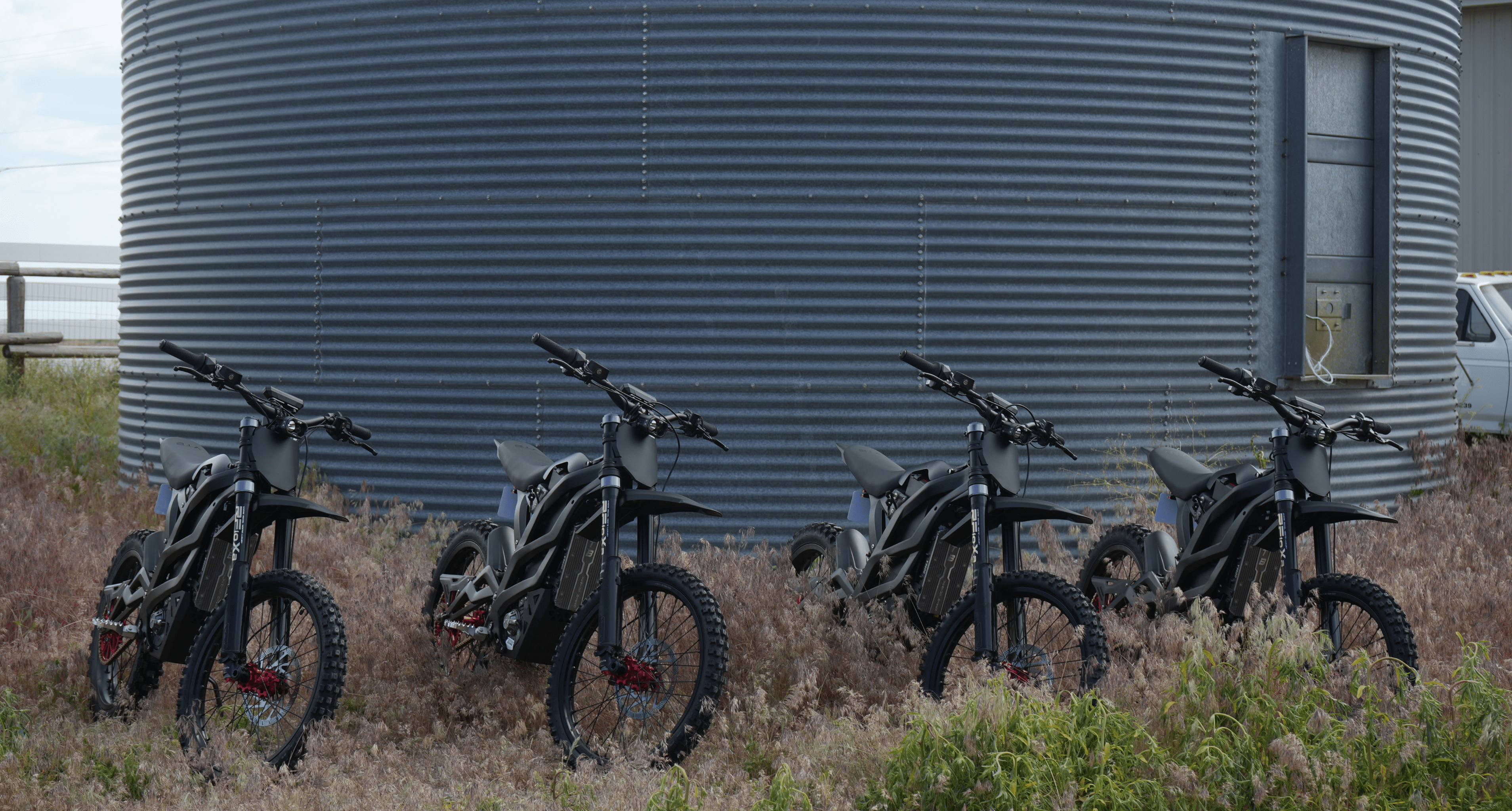
When riders search for the fastest electric dirt bike, the conversation usually starts with one number: top speed. That number matters, but it is only part of what “fastest” means in real riding. On dirt, speed is the result of a system, not a single spec. Motor power helps, but so do aerodynamics, gearing, traction, battery output, controller tuning, temperature, and even how the rider sits on the bike.
This guide breaks down what actually determines electric dirt bike top speed in 2026, how to spot misleading speed claims, and what to prioritize if the goal is a bike that feels fast where it counts.
“Fastest” means different things on dirt
Top speed vs lap speed vs trail speed
Top speed is the maximum velocity a bike can reach under favorable conditions, usually on a long, smooth run with enough traction and room. Lap speed is what wins on a track. Trail speed is what feels quick and controlled on singletrack, climbs, and rough terrain.
A bike can post an impressive top speed and still feel slower in real off-road riding if it is heavy, hard to control, or limited by heat and battery output. For many riders choosing an electric trail bike or electric enduro bike, the practical definition of “fastest” is the one that delivers usable power, stays consistent, and keeps traction.
Why the same bike feels fast in one place and slow in another
Sand, mud, loose climbs, and choppy braking bumps all demand different things. On loose ground, traction and torque delivery matter more than raw mph. On hardpack or open roads, aerodynamic drag and gearing play a bigger role.
The real math behind top speed in plain English
Aerodynamic drag is the wall at higher speed
At higher speeds, aerodynamic drag becomes the biggest force the bike must overcome. Drag force rises roughly with the square of speed, and the power required to push through that drag rises roughly with the cube of speed. That means small increases in top speed can require a lot more power.
This is also why rider position can change top speed more than expected. A taller stance, wide elbows, or bulky gear increases frontal area, and the bike hits the drag wall sooner.
Rolling resistance and terrain add load
Off-road surfaces add rolling resistance, slip, and impact losses that pavement does not. Even if the motor has the power, the ground can prevent the tire from turning that power into forward speed. That is one reason top speed on dirt is often lower than top speed on a smooth surface, even with the same bike and same rider.
What actually determines electric dirt bike top speed
1) Power at the wheel: motor, controller, and battery work together
Electric bikes are sometimes described like the motor alone decides speed. In practice, top speed depends on the system’s ability to deliver power at higher rpm.
-
Motor: sets the potential rpm and torque characteristics.
-
Controller: determines how much current and voltage reach the motor, and how the motor is driven across the speed range.
-
Battery: must supply the demanded current without sagging voltage too much.
If any one of these is the limiting factor, top speed suffers. A strong motor with a conservative controller tune can feel capped. A strong controller with a battery that sags under load can feel punchy early, then run out of breath at higher speed.
2) Controller limits and tuning, including field weakening
Many performance setups use controller tuning to shape how power is delivered. One concept that often comes up is field weakening, a method that allows some electric motors to run above their nominal speed, typically at the cost of torque once above base speed.
In plain terms, controller settings can influence:
-
how quickly the bike reaches speed
-
whether it continues pulling near the top end
-
how much heat builds in the motor and controller
More top speed is sometimes available through tuning, but it should be approached carefully. Higher speed operation can increase heat, reduce efficiency, and raise stress on components. Responsible tuning prioritizes stability and thermal headroom.
3) Gearing and wheel size decide how mph matches motor rpm
Gearing is the mechanical translation between motor speed and wheel speed. If gearing is too short, the bike accelerates hard but runs out of rpm and caps top speed early. If gearing is too tall, the bike might have a higher potential top speed but can feel sluggish, and may not reach that top speed unless conditions are perfect.
The basic relationship is straightforward: wheel speed comes from rpm divided by total gear ratio, then multiplied by wheel circumference.
Wheel size also matters. A larger rear tire circumference increases speed for the same rpm and gearing, but it can also change torque feel and traction.
4) Weight and rider position affect speed more than most riders expect
Weight matters most for acceleration and for how easily the bike maintains speed through terrain. Rider position matters for both traction and aerodynamics. At higher speeds, body position can be the difference between reaching the claimed number or falling short.
A lightweight bike with clean power delivery often feels quicker everywhere, even if a heavier bike claims a similar top speed.
The spec sheet vs. real-world speed
Top speed claims are usually measured under ideal conditions. Real riding introduces variables that can drop speed quickly:
-
Wind: headwind increases effective airspeed, which increases drag sharply.
-
Temperature: cold can reduce battery performance; heat can trigger thermal limits.
-
Elevation: changes air density and can affect cooling and drag.
-
Surface: loose dirt, sand, and mud increase rolling resistance and slip.
-
Tires and pressure: knobby tires and low pressure increase grip but can reduce speed due to deformation and resistance.
-
Battery state of charge: many packs deliver stronger voltage when full, and performance can taper as state of charge drops.
When evaluating any “fastest” claim, it helps to ask: what was the surface, what was the rider weight, and what was the battery state of charge?
What to look for if the goal is the fastest electric dirt bike build
Set the speed goal first: track, trails, desert, or mixed use
A track-focused setup might prioritize acceleration out of corners, predictable power, and braking stability. A desert or open-road run cares more about sustained top-end pull and stability. A tight woods electric trail motorcycle setup cares about control, traction, and range.
Define the terrain first, then match the setup.
Upgrade order that makes sense
For riders chasing more real speed, the smartest order is usually:
-
Control and consistency: tuneable controller behavior, smooth throttle mapping, stable traction.
-
Thermal management: reduce heat limits that cause power drop.
-
Power delivery: ensure the battery and controller can supply sustained current safely.
-
Gearing for the goal: adjust gearing once the system can sustain power.
Chasing peak power before control and heat capacity often leads to short bursts of speed followed by reduced performance.
Safety basics for higher-speed off-road riding
Faster riding increases consequences. Priorities should include brakes, suspension setup, tire choice, and protective gear that fits correctly. Stability and stopping power matter as much as mph.
Where the Ventus One Plus fits in
Speed discussions should be grounded in published specs and the full system. Ventus Bikes USA positions the Ventus One Plus as a lightweight performance-focused e-moto, listing 28 kW peak output, a 72V 50Ah battery system, and an 80 mph top speed on its site. (Ventus Bikes USA)
For riders who want to compare specs and see the platform, start here:
-
explore the bike on the Ventus One Plus
-
browse compatible parts and upgrades under controllers and motors
-
view additional options in all products
A key takeaway is that “fast” is not only top speed. A lightweight platform with strong peak power can feel faster because it changes how quickly speed builds, how the bike responds to terrain, and how manageable it is at pace. (Ventus Bikes USA)
Quick checklist: 7 questions to estimate whether a bike can go faster
-
What surface is the top speed claim measured on, and with what tire setup?
-
What is the motor’s rpm capability, and what is the current gearing and wheel size?
-
Is the controller limiting speed via voltage, current, rpm, or software settings?
-
Does the battery sag at high load, and how does performance change below 50% charge?
-
Does the bike hold power, or does it reduce output due to heat?
-
How does rider position affect speed at the top end?
-
Is the goal top speed on a straight, or faster average speed in real terrain?
If most of these questions cannot be answered, any “fastest” claim should be treated as incomplete.
Getting the right “fast” for the way you ride
The fastest electric dirt bike in 2026 is the one that matches the speed goal and delivers it consistently. Top speed comes from a blend of aerodynamic drag, gearing, controller tuning, and battery output. Real speed comes from control, traction, and stability in the terrain that gets ridden most.
To compare specs and see a performance-focused platform, review the Ventus One Plus. For setup questions, tuning guidance, or fit details, contact Ventus Bikes USA.
FAQ
What is a fast electric dirt bike top speed in 2026?
Top speed varies widely by class and setup. High top-speed numbers typically require enough power to overcome aerodynamic drag, plus gearing that allows the motor to sustain rpm at speed. Drag-related power demand rises sharply with speed.
Why does top speed drop off-road compared to pavement?
Off-road surfaces add rolling resistance, slip, and impact losses. Even if the motor can produce the power, traction and terrain can prevent that power from turning into forward speed.
Does more kW always mean higher top speed?
More power helps, but it is not automatic. If gearing caps wheel speed, if the controller limits rpm, or if aerodynamic drag is the main barrier, extra kW might show up more as acceleration than higher top speed.
How does gearing affect electric dirt bike top speed?
Gearing determines how motor rpm translates to wheel speed. Taller gearing can increase potential top speed, but it may reduce acceleration and may not reach that top speed unless conditions are ideal.
Can controller tuning increase top speed safely?
Sometimes, especially if the controller has conservative limits. Techniques like field weakening can increase speed above nominal motor speed, typically with reduced torque beyond base speed and added heat considerations. Safe gains depend on the full system and thermal headroom.
Share:
Electric Trail Bike vs Electric Dirt Bike: What’s the Difference for Riders?
What Is an Electric Enduro Bike? Key Features Riders Should Look For