
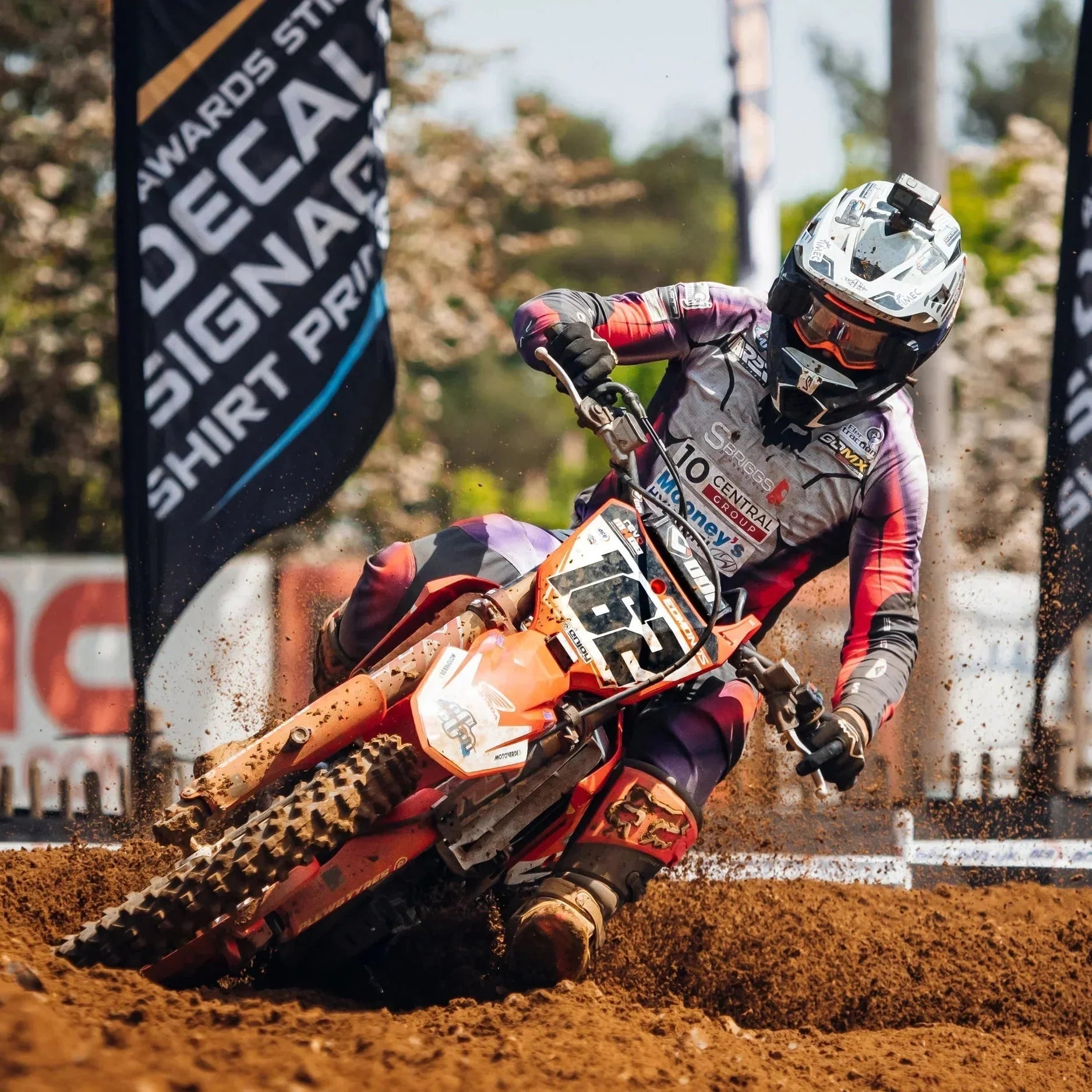
If you’re shopping for an electric trail bike and keep seeing the term “electric dirt bike,” you’re not alone. The lines can look blurry, especially because many modern platforms can be tuned or set up to do more than one job. Still, most riders use these terms to describe different priorities.
An electric trail bike is usually built around control, comfort, and predictable performance over long rides and varied terrain. An electric dirt bike is usually built around aggression, higher impacts, and riding that includes harder hits, faster sections, and more track-style intensity. Both can be fun, both can be fast, and both can overlap. The key is matching the bike’s setup to where and how you actually ride.
This guide breaks down the real differences riders feel in the saddle, what matters most when comparing models, and how to pick the best direction for your riding style.
The quick definition most riders actually need
What riders mean by “electric trail bike”
Most riders mean a bike that’s comfortable and confident on trails for longer periods. Think singletrack, technical climbs, rocky sections, roots, tighter turns, and “ride all day” pacing. The priorities tend to be:
-
Smooth and controllable power
-
Stable traction at lower speeds
-
Compliance over bumps and chatter
-
Range consistency and predictable battery use
-
Ergonomics that stay comfortable over time
When riders say “electric trail motorcycle,” they usually mean the same idea, just with a more motorcycle-like frame, power level, or component spec.
What riders mean by “electric dirt bike”
Most riders use “electric dirt bike” as the umbrella term for off-road bikes that can handle more aggressive use. That might include track days, faster flow trails, jumps, whoops, or harder braking zones. The priorities tend to be:
-
Strong acceleration and quick response
-
Suspension support for higher-speed hits
-
Stability when pushing the pace
-
More tolerance for aggressive inputs
-
Components that hold up under harder use
Some dirt bikes can still be excellent on trails, but the feel is often firmer, more direct, and more “on edge” compared to trail-focused setups.
Where you ride changes what “best” means
Before comparing spec sheets, it helps to answer one question honestly: where will this bike spend most of its time?
Tight singletrack and technical climbs
This is classic trail-bike territory. Tight trees, awkward switchbacks, off-camber roots, steep climbs, and slow-speed control reward:
-
Smooth torque delivery
-
Light, manageable weight
-
A chassis that turns easily
-
Suspension that stays composed at lower speeds
If the bike is too stiff, too tall-geared, or too aggressive in throttle response, the trail can feel harder than it needs to be.
Open trails, fire roads, and faster flow
As speeds rise, the bike benefits from stability and suspension support. You still want controllable power, but the setup can shift toward:
-
More high-speed damping control
-
Better stability in rough, fast sections
-
Gearing that doesn’t run out early
-
A power curve that keeps pulling
This is where the overlap starts. A trail bike can be set up to be stable at speed, and a dirt bike can be softened to behave well on mixed trails.
Track days and aggressive riding
If a big part of the plan includes track-like intensity, the dirt bike setup usually makes more sense:
-
Firm, supportive suspension
-
Strong braking stability
-
A sharper, more immediate power response
-
Components built for repeated hard impacts
A pure trail setup can still work, but it may feel overwhelmed if the pace stays high and the hits get bigger.
Power delivery, gearing, and what feels fast on trail
Power is not just how much, it’s how it shows up.
Smooth torque vs hard hit
Trail riders usually want torque that’s easy to meter. The goal is to keep traction, not light up the rear tire every time the trail gets loose. A smoother curve helps:
-
Climb without spinning
-
Pick lines without fighting the bike
-
Ride longer with less fatigue
-
Feel confident in technical sections
Dirt-bike riding often rewards a more aggressive response, especially when the terrain opens up and the rider wants the bike to snap forward.
Why controllability matters more than peak numbers on trail
On trails, “fast” often means you can keep a steady pace without mistakes. A bike that is slightly less aggressive but more predictable can feel faster in real riding because it lets you:
-
Carry speed through awkward sections
-
Avoid traction mistakes
-
Maintain momentum on climbs
-
Stay relaxed and consistent
This is why many riders who chase the biggest peak number end up dialing it back for actual trail days.
How gearing shifts the bike’s personality
Gearing is one of the biggest “feel” levers riders overlook. In general:
-
Shorter gearing helps technical climbing and punchy acceleration, but can cap top speed sooner.
-
Taller gearing supports higher speed and calmer cruising, but can feel less lively in tight terrain.
A trail-focused setup often leans toward gearing that keeps the bike responsive at lower speeds. A dirt-focused setup often leans toward gearing that supports higher-speed sections without the bike feeling “tapped out.”
Suspension and chassis: comfort vs aggression
Suspension is where the difference becomes obvious fast.
Trail bias: plush and compliant
Trail setups often feel softer initially. They absorb small bumps, roots, and chatter without deflecting. That keeps the ride comfortable and helps traction. The tradeoff is that when the hits get bigger, a too-soft setup can:
-
dive under braking
-
bottom on bigger impacts
-
feel unsettled at speed
Dirt bike bias: firmer and more supportive
Dirt-oriented suspension is usually firmer and more supportive through the stroke. It resists bottoming, stays composed under hard braking, and keeps the bike stable when charging. The tradeoff is that if the setup is too firm for your pace, it can:
-
feel harsh on roots and rocks
-
reduce traction in slow technical sections
-
fatigue the rider faster on long rides
Setup tips riders can do immediately
Without getting deep into tuning jargon, a few practical checks help most riders quickly:
-
If the front end feels nervous on trails, soften the setup slightly and focus on smooth throttle.
-
If the bike bottoms often, support needs to go up, either through spring rate, preload, or damping adjustments.
-
If traction feels inconsistent, tire choice and pressure are usually the first fix, not more power.
Suspension and tires are often the difference between “this bike is too much” and “this bike is perfect.”
Range and ride time: what changes the most
Range matters in both categories, but it feels different.
Speed, terrain, and rider weight
On trails, range can be surprisingly consistent when the ride is technical and speeds stay lower. On faster rides, range can drop quickly. That is because higher sustained speeds and repeated hard accelerations draw more energy.
Tire choice and pressure
Knobbies and lower pressures improve grip and confidence, but they can increase rolling resistance and reduce range. Trail riders often accept that tradeoff because traction is worth more than an extra few miles.
How to plan rides around battery reality
The best range strategy is not “ride slow,” it’s “ride smart”:
-
Use smooth throttle in technical sections
-
Carry momentum instead of repeated hard bursts
-
Avoid unnecessary wheelspin
-
Pick power settings that match the terrain
A bike that is easy to control often ends up being the bike that goes farther in real trail use.
Handling and weight: what matters on real terrain
Weight and balance are huge for trail riders. A lighter-feeling bike is easier to place, easier to save, and easier to ride for longer.
Why lighter often equals easier and faster on trails
In tight terrain, the bike gets moved around constantly. You’re not just steering, you’re shifting balance, lifting over obstacles, and correcting traction mistakes. Less weight or a better-balanced chassis can feel like a major skill boost.
Stability at speed vs agility in tight trees
A stable bike feels planted at higher speed, which is great on open terrain. In tight trees, that same stability can feel like sluggishness. Trail riders tend to value agility and quick direction changes. Dirt riders tend to value composure when the pace rises and the impacts get bigger.
Electric enduro bike, the overlap category
If you hear “electric enduro bike,” that is often the bridge between trail and dirt.
Why many electric enduro bikes sit between trail and dirt
Enduro riding blends technical trail sections with faster segments and bigger hits. So an enduro-leaning electric setup usually aims for:
-
controllable torque with enough punch when needed
-
suspension that can handle both chatter and bigger impacts
-
stable handling without feeling like a full track-only build
What to look for if you want one bike for many jobs
If the goal is one bike that can do most of it, look for:
-
adjustable power modes or tunable delivery
-
suspension that can be set plush or supportive
-
a chassis that feels manageable in tight terrain
-
component options for upgrades if needs change later
This is the practical reason so many riders end up in the “enduro middle.” It covers more rides without forcing compromises every weekend.
Electric off road motorcycle comparison checklist
This is the part that saves buyers the most regret. When doing an electric off road motorcycle comparison, these questions get clearer answers than “how many kW?”
10 questions to ask before buying
-
What terrain will be ridden most: tight singletrack, open flow, or track-style?
-
Does the bike deliver power smoothly at low speed, or does it hit hard?
-
How adjustable is power delivery for different conditions?
-
How does the bike feel after an hour, comfortable or fatiguing?
-
Is the suspension better for small bump comfort, big hit support, or both?
-
How easy is it to turn and change direction in tight sections?
-
Does it stay composed at higher speed, or feel twitchy?
-
How consistent is performance as the battery level drops?
-
What parts and support options exist if you want to change the setup later?
-
What is the realistic ride time for your terrain and pace?
Where the Ventus platform fits for trail-oriented riders
For riders who want trail control with performance headroom, the platform approach matters. The goal is not to chase one number, it’s to build the right feel.
Start with the base and explore options here:
-
see the platform at Ventus One Plus
-
browse component categories in controllers and motors
-
explore additional parts in all products
-
learn more about the brand at Ventus Bikes USA
Picking a base bike and tuning priorities
Trail riders tend to benefit most from:
-
predictable throttle response
-
traction-friendly delivery
-
suspension setup that stays comfortable but does not wallow
-
gearing and tires matched to terrain
Dirt-focused riders tend to benefit most from:
-
stronger support at higher speed
-
sharp response when pushing the pace
-
stability under braking and acceleration
-
a setup that stays consistent under repeated hard use
If you want help mapping your terrain and goals to a setup direction, reach out through contact Ventus Bikes USA.
Choosing between an electric trail bike and an electric dirt bike
The simplest way to decide is to start with your most common ride:
-
If most rides are tight trails, technical climbs, and longer days in mixed conditions, lean trail.
-
If most rides are faster, more aggressive, and include bigger impacts or track-style intensity, lean dirt.
-
If you want one bike for many jobs, look for an enduro-leaning setup that can be adjusted.
The right answer is the one that matches your terrain, your pace, and what you want the bike to feel like after a full day of riding.
To explore a performance-focused platform and available components, start with Ventus One Plus. For questions about fit, setup direction, or parts, contact Ventus Bikes USA.
FAQ
Is an electric trail bike the same as an electric dirt bike?
They overlap, but they are usually set up for different priorities. Trail bikes typically emphasize control, comfort, and traction over long rides. Dirt bikes typically emphasize aggressive performance and support under harder impacts.
Which is better for singletrack, an electric trail bike or electric dirt bike?
For most riders on tight singletrack, a trail-oriented setup feels easier and faster because it is more manageable, more traction-friendly, and less fatiguing. A dirt-oriented setup can still work, but it often needs tuning and setup changes to feel comfortable in slow technical sections.
What is an electric enduro bike, and where does it fit?
An electric enduro bike usually sits between trail and dirt. It aims for controllable torque and comfort in technical sections, plus enough suspension support and stability for faster segments.
How can riders get more range on an electric trail motorcycle?
Range improves most when wheelspin is reduced, throttle is smoothed out, and the power mode matches the terrain. Tire pressure and tire choice also make a difference, especially on soft surfaces.
What should be compared first when shopping?
Compare the things you feel most: weight and balance, power delivery, suspension behavior, and how consistent the bike is as the ride goes on. Those factors usually matter more than one peak number.
Share:
Can You Make an Electric Dirt Bike Street Legal? A Practical Upgrade Checklist
Fastest Electric Dirt Bike in 2026: What Actually Determines Speed?