
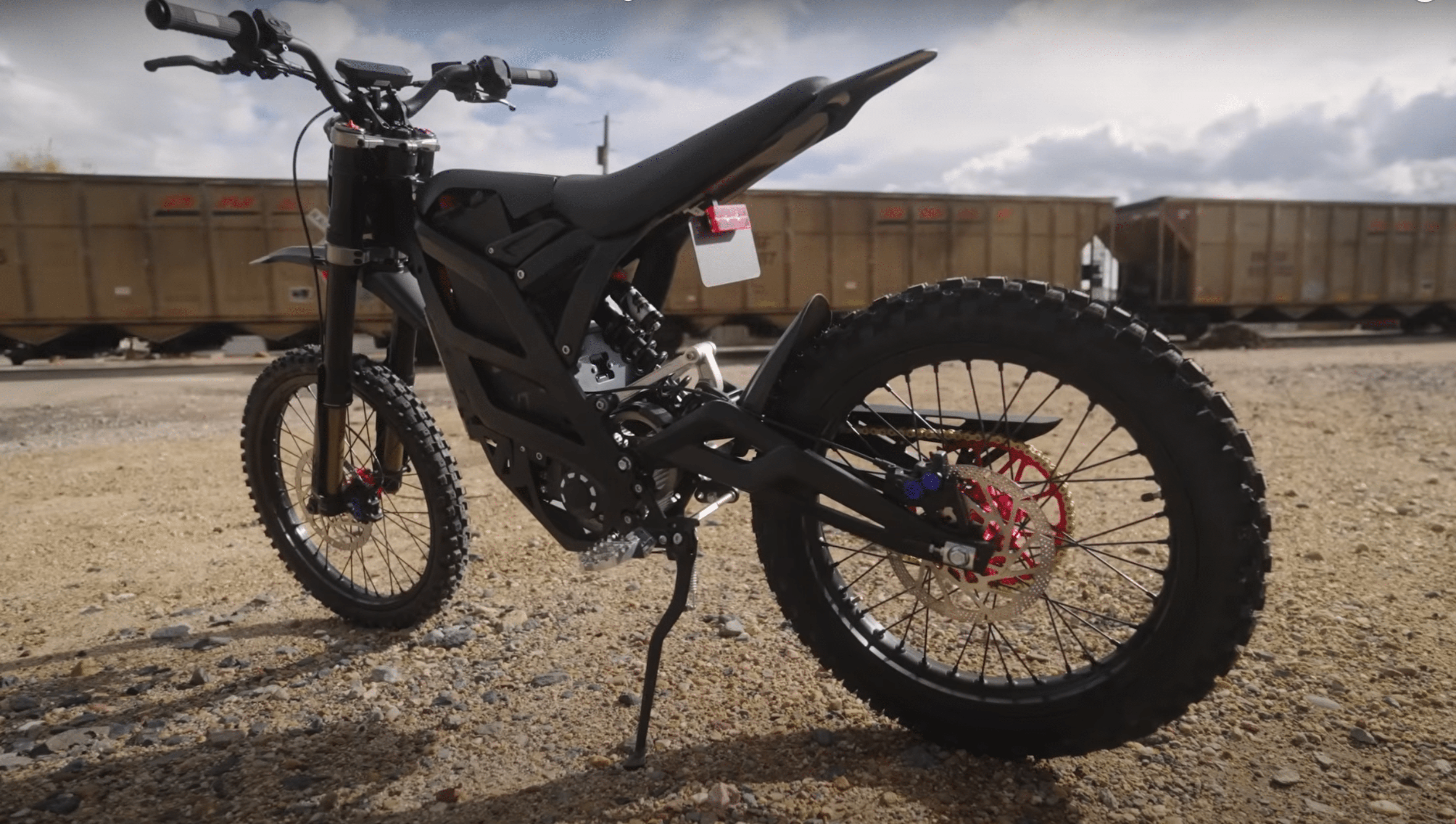
If you are looking at electric off-road motorcycles, you have probably noticed that "enduro" and "motocross" keep showing up as separate categories. On gas bikes, the differences between an enduro bike and an MX bike are well established. But once you go electric, the lines blur. The motor is the same technology either way. The battery is the same chemistry. So what actually separates an electric enduro bike from an electric motocross bike, and how do you decide which one fits the way you ride? Here is the breakdown, based on real differences that affect your time on the bike.
What Separates Enduro from Motocross (Electric or Not)
The core distinction has not changed just because the powertrain did. Enduro riding covers long distances over mixed terrain. You might ride fire roads, singletrack, rock gardens, and stream crossings in a single session. The pace varies. Some sections are fast, some are slow and technical. Motocross is short, intense laps on a closed, purpose-built track. Jumps, berms, whoops, and flat-out speed in every section. Motos last 15-35 minutes, and the effort level is near-maximum the entire time. These two riding styles demand different things from a motorcycle, and that holds true whether the bike burns gas or runs on a battery.
Power Delivery: Controlled Torque vs. Peak Output
How Motor Tuning Differs by Discipline
Both enduro and motocross bikes benefit from high torque, but how that torque gets delivered is where they diverge. An electric enduro bike needs smooth, predictable power across a wide range of speeds. You want to crawl up a technical climb at walking pace without the rear tire breaking loose, then open it up on a fast section without a jarring transition. An electric motocross bike prioritizes peak output and aggressive throttle response. You need instant, hard-hitting power out of corners and off jump faces. Subtlety matters less when you are pinned for 20 minutes straight. The electric motorcycle motors available today can handle both styles, but the controller tuning is what makes the difference in feel.
Why Controller Maps Matter More Than Raw kW
This is where electric bikes have a genuine advantage over gas. On a gas bike, you change power characteristics by swapping sprockets, adjusting jetting, or modifying the exhaust. Each change takes time and tools. On an electric bike with a programmable controller, you change everything from your phone. The Aetos controller lineup from Ventus lets riders build custom maps for different riding scenarios. One map for enduro (smooth roll-on, moderate power ceiling, strong regenerative braking) and another for MX (aggressive throttle, full power, minimal regen). Same motor, same battery, completely different riding experience.
Suspension Setup: Long Travel vs. Track-Tuned
Enduro suspension needs to handle everything. Long travel (200mm or more), plush low-speed compression for rock gardens, and enough high-speed damping to handle unexpected drops. The bike has to absorb terrain you did not see coming, because on a trail, surprises are constant. Motocross suspension is stiffer and more controlled. The track surface is known. Jumps are measured. Whoops have a rhythm. MX forks and shocks are valved for repeated big hits at high speed, not for the slow, chattery stuff you find on trails. If you put MX-valved suspension on an enduro ride, it will beat you up. If you put enduro suspension on a track, it will bottom out on the first tabletop.
Range and Battery Demands
Enduro: Longer Rides, Steady Draw
Enduro rides are long. Two hours is a short one. Three to four hours is common. That means battery range is a critical spec for enduro riders. You need enough capacity to cover the full ride, or at least enough to reach a charging point. Riding style helps here. Enduro riding alternates between moderate-speed cruising and low-speed technical sections, which draws power more evenly than constant full-throttle use. A well-sized long-range battery like a 72V 50Ah pack can cover most enduro rides without anxiety.
Motocross: Short Motos, High Bursts
MX motos are short but brutal on batteries. Full-throttle acceleration out of every corner, hard braking into every turn, and sustained high power output for the entire moto. A 15-minute moto might drain more battery than an hour of casual trail riding. The good news is that you do not need massive range for MX. You need enough for two or three motos with some reserve, and then you charge between sessions. Smaller, lighter batteries can work well here, which also improves handling.
Frame Geometry and Weight Distribution
Enduro bikes typically have a slightly longer wheelbase and more relaxed steering geometry for stability at speed and confidence on descents. The seat height may be lower to help with foot-down moments on technical terrain. MX bikes are shorter, steeper, and built to change direction fast. The riding position pushes weight forward for traction under acceleration and control in the air. On both types, where the battery sits in the frame matters more than on a gas bike because the battery is heavier than an engine. A Ventus V1+ keeps the battery low and centered, which works well for both disciplines as a starting point.
Which One Should You Build or Buy?
Here is the practical take. If most of your riding involves trails, mixed terrain, and rides longer than an hour, start with an enduro-oriented setup. Prioritize range, smooth power delivery, and suspension that handles variety. If you mainly ride MX tracks, go shorter range, stiffer suspension, and aggressive power maps. And here is the real advantage of electric: you do not have to fully commit to one discipline. A single bike with a tunable controller and swappable suspension settings can cover both. Check out rider reviews to see how people are actually using their bikes across both riding styles.
Frequently Asked Questions
Can one electric bike work for both enduro and motocross?
With a tunable controller and adjustable suspension, yes. You will not get a purpose-built race bike for either discipline, but a well-set-up electric bike can handle both recreational enduro and practice-day MX comfortably.
Which discipline drains the battery faster?
Motocross. The constant full-throttle and hard braking cycle draws significantly more power per minute than enduro riding, which alternates between moderate and low-speed sections.
Do you need different controllers for enduro vs. MX?
Not necessarily. A good tunable controller with custom map support can be configured for either discipline. The key is having enough adjustability in throttle response, power limits, and regenerative braking.
Is an electric enduro bike street legal?
It depends on your state or country. Some electric motorcycles can be registered for street use with the right lighting, mirrors, and turn signals. Others are off-road only. Check local regulations before assuming street legality.
Talk to Us About Your Build
Leaning enduro, motocross, or somewhere in between? We can help you figure out the right configuration. Contact our team to talk specs, components, and which setup matches how you actually ride.
Share:
Electric Dirt Bike Top Speed: Real-World Factors That Change the Number
Electric Off-Road Motorcycle Comparison: What Specs Matter Most?