
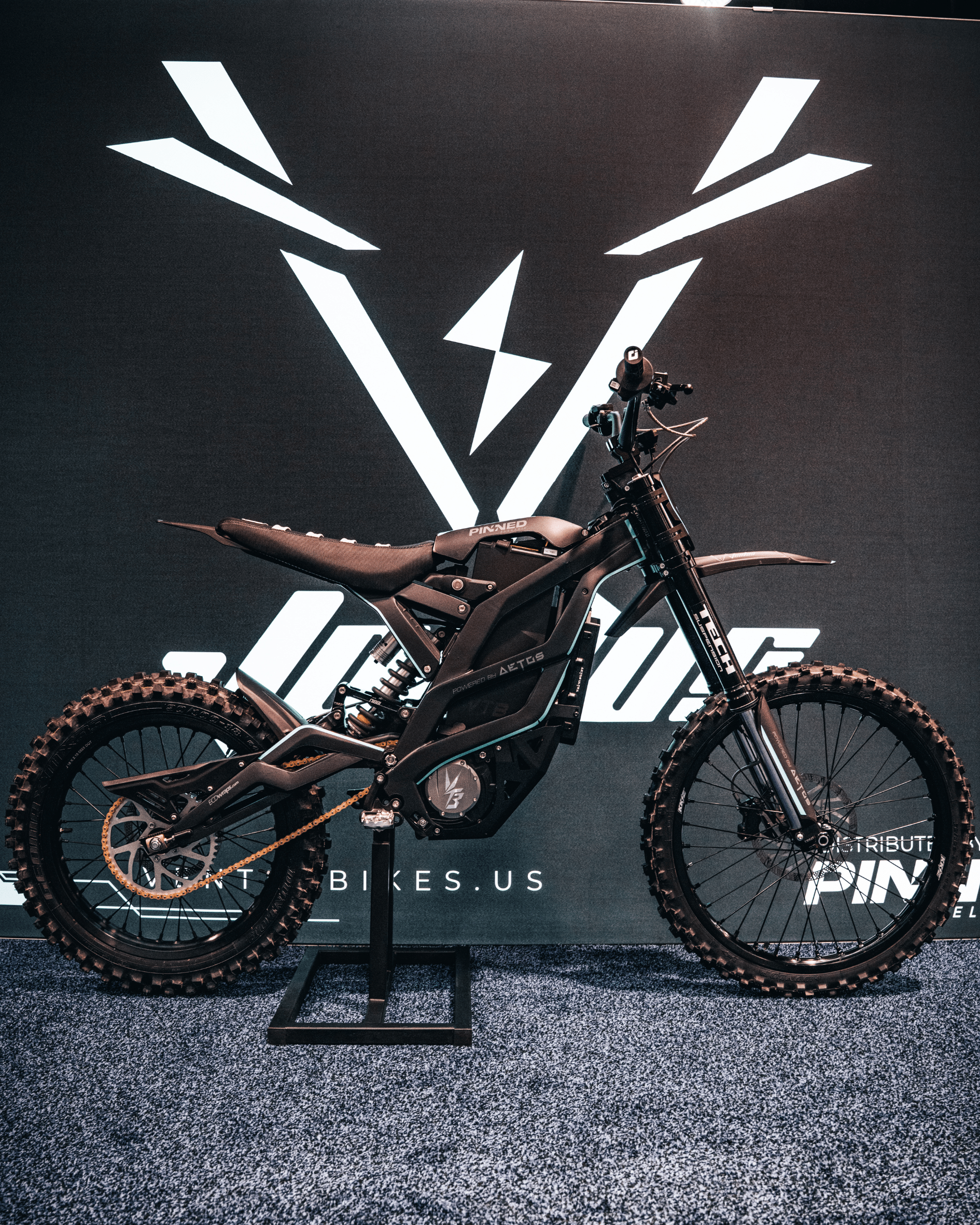
Buying an electric trail motorcycle is not the same as buying a gas bike with batteries. The specs that matter are different, the tradeoffs are different, and the way you evaluate a bike before buying should reflect that. If you have been looking at options and struggling to compare apples to apples, this guide breaks down what actually matters when choosing an electric trail motorcycle for real riding.
Why Trail Riding Is Where Electric Shines
Trail riding is the one discipline where electric motorcycles already have a clear advantage over gas. Low-speed torque, near-silent operation, no exhaust fumes, and smooth power delivery all make electric bikes natural trail machines. Gas bikes have to be geared and jetted for specific conditions. Electric bikes adjust power through software. That flexibility, combined with the absence of a hot exhaust pipe and the ability to ride in noise-restricted areas, makes electric trail bikes practical today, not just a future promise.
Motor Power: How Much Do You Actually Need?
kW Ratings and What They Mean on the Trail
Motor output is measured in kilowatts, and you will see two numbers: peak and sustained. Peak kW is the max the motor can produce in short bursts. Sustained kW is what it can deliver continuously without overheating. For trail riding, sustained power matters more than peak. You are not doing quarter-mile pulls. You are climbing hills, crawling over rocks, and maintaining momentum through technical sections. A motor with 15 kW sustained output will handle most trail conditions well. If you ride aggressively or tackle steep terrain regularly, look for 20 kW or higher. The performance motors in the Ventus range deliver both the peak numbers for open sections and the sustained output for long technical climbs.
Torque Delivery and Low-Speed Control
Torque is what gets you up hills and over obstacles. Electric motors produce peak torque at zero RPM, which is a massive advantage over gas on technical terrain. But raw torque numbers only tell part of the story. What matters is how that torque gets delivered. A jerky throttle response at low speed will throw you off line on a rocky climb. Smooth, progressive torque delivery makes the bike feel predictable and controllable. This is where controller quality and tuning become just as important as the motor itself.
Battery and Range: Planning for Real Rides
Voltage, Amp-Hours, and Estimated Range
Battery capacity is measured in watt-hours (Wh), calculated by multiplying voltage (V) by amp-hours (Ah). A 72V 50Ah battery holds 3,600 Wh. A 60V 30Ah pack holds 1,800 Wh. Bigger number, more range. Simple. But estimated range varies wildly depending on riding style, terrain, rider weight, and which power mode you use. Manufacturer range claims are usually based on a specific average speed in a moderate power mode. On aggressive singletrack, expect 40-60% of the advertised range. On mellow fire roads, you might exceed it. The batteries built for range in the Ventus lineup use Samsung 21700 cells, which hold voltage well through the discharge cycle, so range estimates are more consistent than packs using lower-grade cells.
Charge Time and Mid-Ride Options
Charge time is the piece most new electric riders underestimate. A 3,600 Wh battery on a standard charger might take 4-5 hours from empty to full. Fast chargers cut that significantly, but they cost more and generate more heat. For day rides, charge time is not a huge deal because you charge overnight. For multi-day trips or enduro events, it starts to matter. Some riders carry portable generators or plan routes around charging stops. Others just size up their battery to cover the full ride without needing a charge.
Suspension and Chassis: What to Look For
Fork Travel and Damping Adjustability
Trail riding demands good suspension. Period. Look for at least 200mm (about 8 inches) of travel on both ends. Adjustable compression and rebound damping let you tune the bike for different terrain. Air forks are lighter. Spring forks are more predictable. Both work, but make sure whatever comes on the bike can be serviced and revalved. Cheap, non-rebuildable forks are a red flag. You can browse all components to see what suspension and hardware options are available for different builds.
Frame Geometry for Technical Terrain
Electric bikes carry their weight differently than gas bikes. The battery is the heaviest single component, and where it sits in the frame affects handling. A low, centralized battery placement improves balance and makes the bike feel lighter in turns. Bikes with the battery mounted high or far back tend to feel top-heavy on steep descents. Wheelbase, rake angle, and ground clearance all factor in too. Longer wheelbases are more stable at speed but harder to maneuver on tight singletrack. Shorter wheelbases feel nimble but less planted.
Controller Tuning and Ride Modes
A good controller is the difference between a bike that feels like a tool and a bike that feels like a toy. Basic controllers offer two or three preset modes. Better controllers, like the Aetos controllers from Ventus, let you create custom maps that adjust throttle curve, power limit, regenerative braking strength, and top speed independently. For trail riding, this means you can set up a map for technical climbing (smooth throttle, moderate power, strong regen for descents) and another for fast fire-road sections (aggressive throttle, full power, light regen). Switching between them takes seconds through a phone app.
Weight and Its Effect on Trail Handling
Electric trail bikes tend to be heavier than their gas equivalents, mostly because of the battery. A typical gas trail bike weighs 220-250 pounds. A comparable electric bike might weigh 250-300 pounds. That extra weight matters on tight trails, especially when you need to muscle the bike over obstacles or pick it up after a tip-over. The tradeoff is that the weight is usually low and centered, so the bike can actually feel lighter in motion than the number suggests. Still, if you plan to ride tight, technical singletrack, pay attention to curb weight and where that weight sits in the frame.
Frequently Asked Questions
How far can an electric trail motorcycle go on a single charge?
Range depends on battery size, terrain, riding style, and power mode. A 72V 50Ah battery can deliver 40-70 miles on moderate trails. Aggressive riding on steep, technical terrain will cut that range significantly.
What motor size is best for trail riding?
For most trail riders, 15-28 kW peak output handles everything from casual rides to aggressive singletrack. Sustained output of 10-15 kW or higher is more important than peak numbers for extended trail use.
Can you ride an electric motorcycle on singletrack?
Yes. Electric bikes are well-suited to singletrack thanks to smooth torque delivery, quiet operation, and compact size. Weight is the main consideration on very tight, technical trails.
How heavy are electric trail bikes compared to gas?
Electric trail bikes typically weigh 20-60 pounds more than comparable gas bikes, primarily due to battery weight. The low center of gravity on well-designed electrics partially offsets the extra pounds in handling feel.
Find the Right Bike for Your Trails
The right electric trail motorcycle depends on where you ride, how you ride, and what you prioritize. If you want help narrowing down specs or figuring out which setup makes sense for your terrain, get in touch with our team. We are happy to talk through options.
Share:
Electric Off-Road Motorcycle Comparison: What Specs Matter Most?